When we choose a garment, we often think about its fit, color, or decoration. We rarely stop to reflect on the background of the fiber from which it was made. Yet, behind what may seem like a simple fabric, there is a whole world. Cotton has always been the most used natural fiber in the world, but not all cotton is the same: organic and traditional cotton tell two very different stories.
Traditional cotton: the hidden side
Traditional cotton is currently the most cultivated fiber in the world, but behind its apparent simplicity lies one of the most impactful agricultural productions for the environment and for the communities that cultivate it. Global demand has led to intensive practices that consume enormous natural resources and rely on pesticides and chemical fertilizers, compromising soil, water, and biodiversity. By choosing this fiber, we contribute to:
Enormous water consumption: to produce a single conventional cotton t-shirt, up to 2,700 liters of water can be used.
Massive use of pesticides and chemical fertilizers: these substances deplete the soil, contaminate groundwater, and have a negative impact on biodiversity.
Difficult working conditions: in many areas of the world, traditional cotton cultivation is linked to exploitation and low wages for agricultural workers.
Wearing conventional cotton, without knowing it, means contributing to a system that protects neither people nor the environment.
Organic cotton: a conscious choice
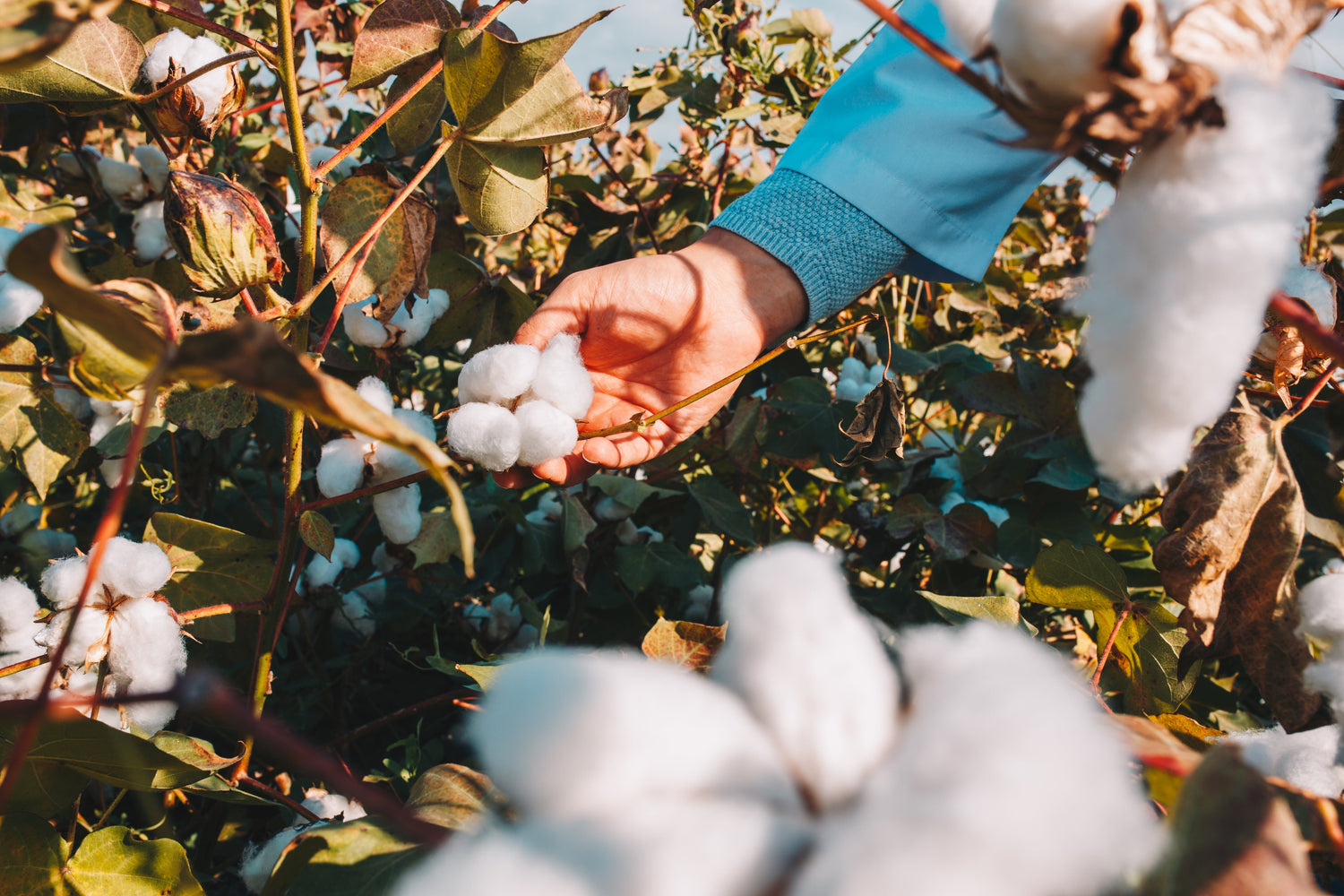
Organic cotton, on the other hand, comes from a completely different approach: not just a cultivation, but an agricultural model that focuses on respecting the planet and people. Through sustainable practices, consumption is reduced, soil quality is preserved, and fairer working conditions are guaranteed for agricultural communities. By choosing this fiber, we contribute to:
Cultivation without chemical pesticides: only natural methods are used that preserve the health of the soil, people, and biodiversity.
Water saving: thanks to sustainable agricultural techniques and careful management, water requirements are significantly reduced.
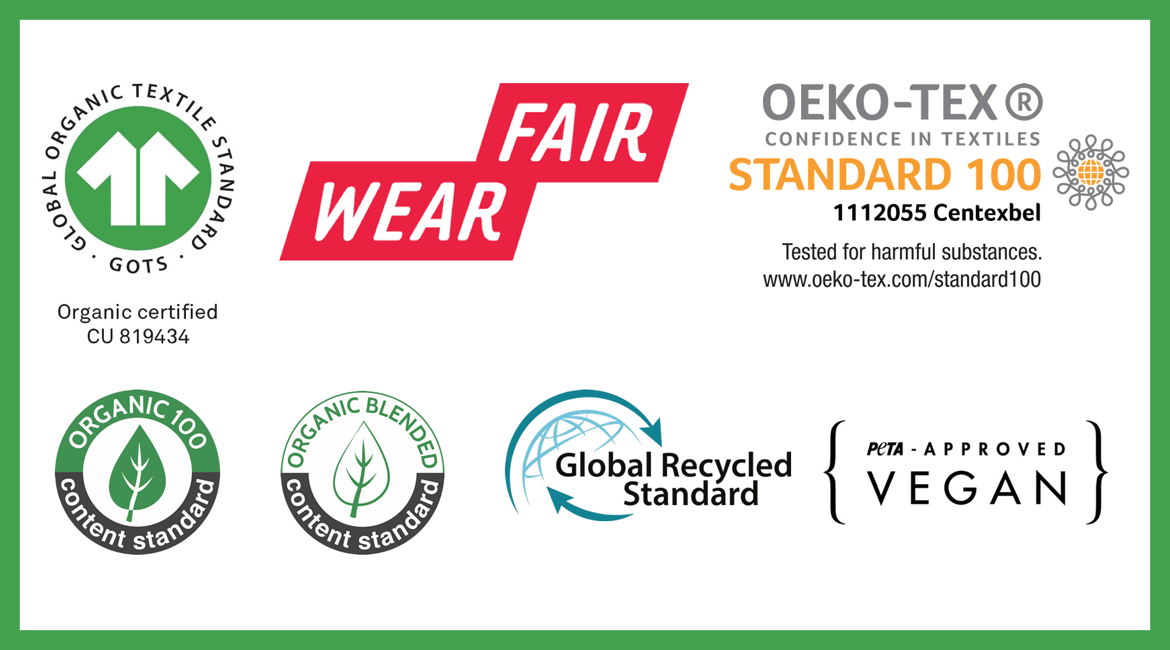
Fairer working conditions: organic certifications promote respect for workers and directly support agricultural communities.
Wearing organic cotton means actively committing to protecting the planet and its inhabitants.
Why this choice matters
Choosing organic cotton means taking a stand. It is an act of responsibility and care, a small gesture that, together with many others, can turn into a concrete impact. Every time we opt for organic, we say "yes" to a fairer, cleaner, and more respectful production model.
Teefarm's vision
At Teefarm, we believe that creativity and sustainability can go hand in hand. That's why we carefully select the materials for our products, favoring solutions that respect the earth and people. The future of personalization, for us, can only be sustainable, and we firmly believe that every project, big or small, can make a difference: for those who wear it, for those who produce it, for the planet that hosts us.
Wearing organic cotton means wearing a better future. Are you ready to make a difference with us?